How to Jump Higher: Volleyball Jump Technique for Explosive Power
📅
Imagine the roar of the crowd fading as you ascend, a volleyball clutched in your hand, poised to deliver a game-changing spike. This isn't just a highlight reel fantasy; it's an attainable goal with the right technique and dedicated training. The foundation of this power? Mastering the vertical jump.
 In volleyball, the vertical jump is more than just athleticism; it's the bedrock upon which spiking, blocking, and even serving excellence are built. A higher jump translates to more powerful spikes, more effective blocks, and more commanding serves. This guide will dissect the proper volleyball jump technique, providing you with actionable steps and training drills to unlock explosive power and elevate your game, literally.
Understanding the Biomechanics of a Volleyball Jump: The Science of Soaring
Before diving into drills, let's understand the science behind a powerful jump. It's not just about leaping; it's about orchestrating a symphony of movements that maximize upward force. Think of it like force summation, where different parts of your body work together to create a powerful, coordinated movement. As one volleyball player noted, "when I hit the ball, it’s not just my arms doing the work—my legs, jump, and body movement all play a part in making the ball go where I want it."
The Approach: Setting the Stage for Power
Think of the approach as the runway for your jump. A consistent and rhythmic approach is crucial for building momentum and positioning yourself for optimal takeoff.
Aim for a smooth, accelerating rhythm. Don't start too fast or too slow. The second-to-last step is vital. It's longer than the others, allowing you to lower your center of gravity and load your muscles for the jump. Your feet should be slightly angled towards the net, allowing for a powerful forward and upward motion.
Avoid choppy steps, inconsistent speed, and approaching at the wrong angle. Practice your approach repeatedly to develop consistency. As one volleyball enthusiast put it, "pure efficiency of approach swing and timing is key to a good jump."
The Arm Swing: Generating Upward Force
The arm swing isn't just for show; it's a powerful engine that contributes significantly to your vertical jump.
Start with your arms behind you, then swing them powerfully forward and upward, synchronizing the motion with your leg drive. The arm swing and leg drive should work in perfect harmony. As your legs explode upwards, your arms should swing overhead. Maximize your arm swing by using a full range of motion, from behind your body to overhead.
Practice arm swing jumps without a ball, focusing on the coordination and power of the movement. Medicine ball throws can also help develop arm swing strength.
The Leg Drive: The Foundation of Your Jump
In volleyball, the vertical jump is more than just athleticism; it's the bedrock upon which spiking, blocking, and even serving excellence are built. A higher jump translates to more powerful spikes, more effective blocks, and more commanding serves. This guide will dissect the proper volleyball jump technique, providing you with actionable steps and training drills to unlock explosive power and elevate your game, literally.
Understanding the Biomechanics of a Volleyball Jump: The Science of Soaring
Before diving into drills, let's understand the science behind a powerful jump. It's not just about leaping; it's about orchestrating a symphony of movements that maximize upward force. Think of it like force summation, where different parts of your body work together to create a powerful, coordinated movement. As one volleyball player noted, "when I hit the ball, it’s not just my arms doing the work—my legs, jump, and body movement all play a part in making the ball go where I want it."
The Approach: Setting the Stage for Power
Think of the approach as the runway for your jump. A consistent and rhythmic approach is crucial for building momentum and positioning yourself for optimal takeoff.
Aim for a smooth, accelerating rhythm. Don't start too fast or too slow. The second-to-last step is vital. It's longer than the others, allowing you to lower your center of gravity and load your muscles for the jump. Your feet should be slightly angled towards the net, allowing for a powerful forward and upward motion.
Avoid choppy steps, inconsistent speed, and approaching at the wrong angle. Practice your approach repeatedly to develop consistency. As one volleyball enthusiast put it, "pure efficiency of approach swing and timing is key to a good jump."
The Arm Swing: Generating Upward Force
The arm swing isn't just for show; it's a powerful engine that contributes significantly to your vertical jump.
Start with your arms behind you, then swing them powerfully forward and upward, synchronizing the motion with your leg drive. The arm swing and leg drive should work in perfect harmony. As your legs explode upwards, your arms should swing overhead. Maximize your arm swing by using a full range of motion, from behind your body to overhead.
Practice arm swing jumps without a ball, focusing on the coordination and power of the movement. Medicine ball throws can also help develop arm swing strength.
The Leg Drive: The Foundation of Your Jump
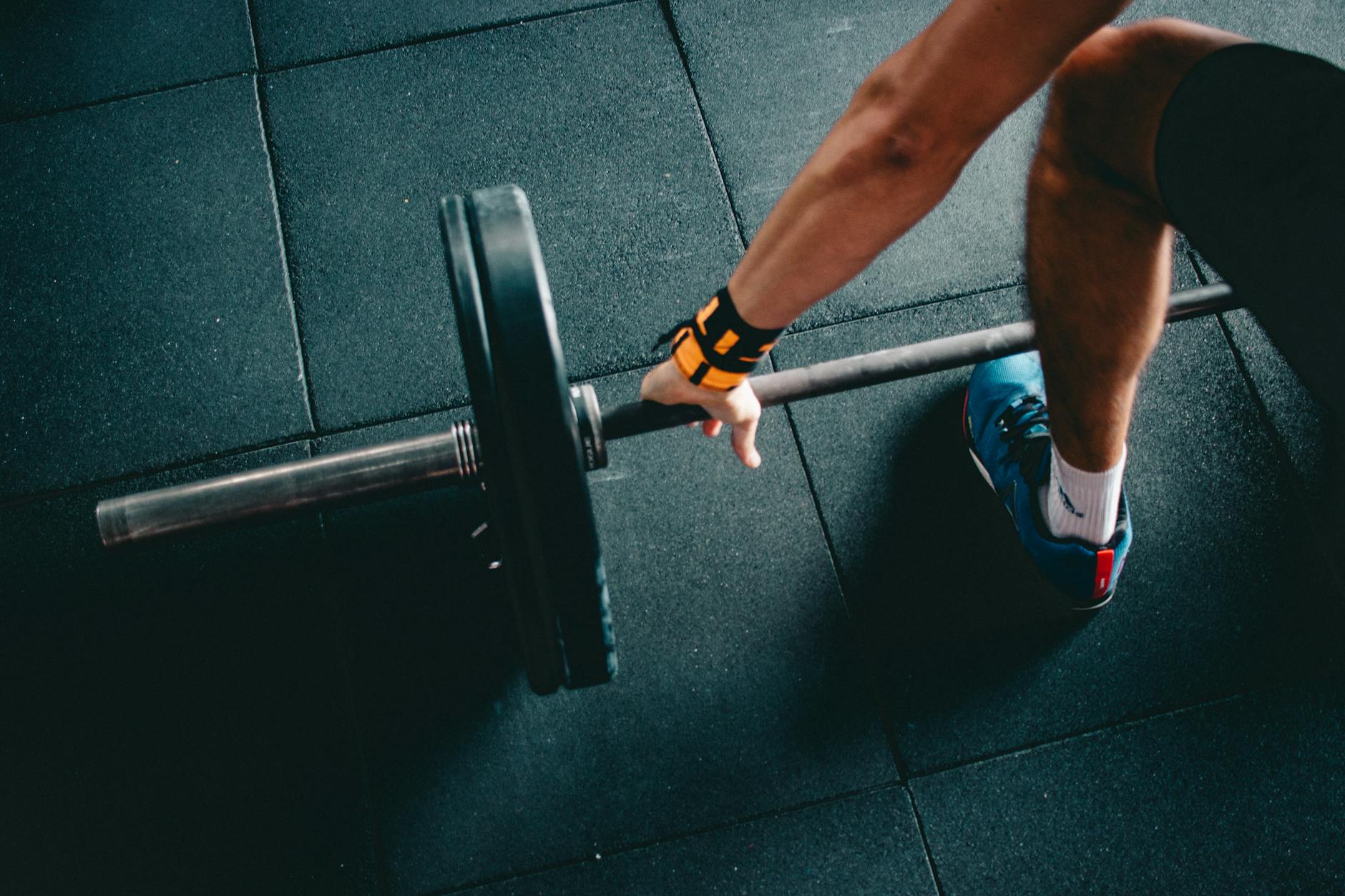 Your legs are the primary source of power for your jump. A strong and explosive leg drive is essential for achieving maximum height.
A deep knee bend allows you to load your leg muscles, storing potential energy for the jump. Aim for at least a 90-degree angle in your knees. Engage your glutes, quads, and calves to explode upwards, driving through the balls of your feet. Maintain a straight back and core engagement throughout the leg drive to maintain balance and maximize power transfer.
Squats, lunges, and plyometrics (like box jumps) are excellent for strengthening leg muscles and improving explosive power.
The Block Jump vs. The Spike Jump: Key Differences
While the fundamental principles are the same, there are subtle differences between the block jump and the spike jump.
Block jumps often require a quicker, more reactive approach, while spike jumps allow for a more deliberate and powerful approach. Block jumps may involve a shorter, more compact arm swing to allow for quicker reaction time. Blocking requires precise timing to intercept the ball, while spiking allows for more flexibility in timing.
Practice block jumps with a focus on quick reaction time and vertical reach. Practice spike jumps with a focus on power and coordination. When blocking, some players suggest to look down when you block. Not only does it protect your nose but it "automatically" makes your block better because your arms can get more over the net and you have more forward power to not get hit through."
Mastering the Volleyball Jump Technique: A Step-by-Step Guide
Now, let's break down the jump into manageable steps:
Step 1: The Approach
Typically, a four-step approach is used for spiking. The first step is a walking step, followed by two jogging steps, and then the penultimate and final steps. Focus on accelerating smoothly throughout the approach. Imagine yourself as a plane gaining speed on a runway – aim for a consistent increase in velocity with each step.
Watch videos of professional volleyball players to observe their approach technique. Cone drills can help you practice your approach pattern and footwork. Approach jumps without a ball allow you to focus on the mechanics of the approach.
Step 2: The Arm Swing
Start with your arms relaxed at your sides, then swing them back as you lower into the knee bend. As you explode upwards, swing your arms powerfully forward and overhead. Think of your arms as levers, generating momentum to propel you upwards.
Watch videos of arm swing drills to understand the proper technique. Medicine ball throws can help you develop arm swing power. Arm swing jumps without a ball allow you to focus on the coordination and timing of the arm swing.
Step 3: The Leg Drive
Bend your knees deeply, engaging your glutes and quads. Explode upwards, driving through the balls of your feet. Imagine you're coiling a spring, storing energy in your legs before unleashing it in a powerful upward thrust.
Watch videos of proper squatting technique to understand the correct form for the leg drive. Box jumps and squat jumps are excellent for developing explosive leg power.
Step 4: The Jump and Landing
Your legs are the primary source of power for your jump. A strong and explosive leg drive is essential for achieving maximum height.
A deep knee bend allows you to load your leg muscles, storing potential energy for the jump. Aim for at least a 90-degree angle in your knees. Engage your glutes, quads, and calves to explode upwards, driving through the balls of your feet. Maintain a straight back and core engagement throughout the leg drive to maintain balance and maximize power transfer.
Squats, lunges, and plyometrics (like box jumps) are excellent for strengthening leg muscles and improving explosive power.
The Block Jump vs. The Spike Jump: Key Differences
While the fundamental principles are the same, there are subtle differences between the block jump and the spike jump.
Block jumps often require a quicker, more reactive approach, while spike jumps allow for a more deliberate and powerful approach. Block jumps may involve a shorter, more compact arm swing to allow for quicker reaction time. Blocking requires precise timing to intercept the ball, while spiking allows for more flexibility in timing.
Practice block jumps with a focus on quick reaction time and vertical reach. Practice spike jumps with a focus on power and coordination. When blocking, some players suggest to look down when you block. Not only does it protect your nose but it "automatically" makes your block better because your arms can get more over the net and you have more forward power to not get hit through."
Mastering the Volleyball Jump Technique: A Step-by-Step Guide
Now, let's break down the jump into manageable steps:
Step 1: The Approach
Typically, a four-step approach is used for spiking. The first step is a walking step, followed by two jogging steps, and then the penultimate and final steps. Focus on accelerating smoothly throughout the approach. Imagine yourself as a plane gaining speed on a runway – aim for a consistent increase in velocity with each step.
Watch videos of professional volleyball players to observe their approach technique. Cone drills can help you practice your approach pattern and footwork. Approach jumps without a ball allow you to focus on the mechanics of the approach.
Step 2: The Arm Swing
Start with your arms relaxed at your sides, then swing them back as you lower into the knee bend. As you explode upwards, swing your arms powerfully forward and overhead. Think of your arms as levers, generating momentum to propel you upwards.
Watch videos of arm swing drills to understand the proper technique. Medicine ball throws can help you develop arm swing power. Arm swing jumps without a ball allow you to focus on the coordination and timing of the arm swing.
Step 3: The Leg Drive
Bend your knees deeply, engaging your glutes and quads. Explode upwards, driving through the balls of your feet. Imagine you're coiling a spring, storing energy in your legs before unleashing it in a powerful upward thrust.
Watch videos of proper squatting technique to understand the correct form for the leg drive. Box jumps and squat jumps are excellent for developing explosive leg power.
Step 4: The Jump and Landing
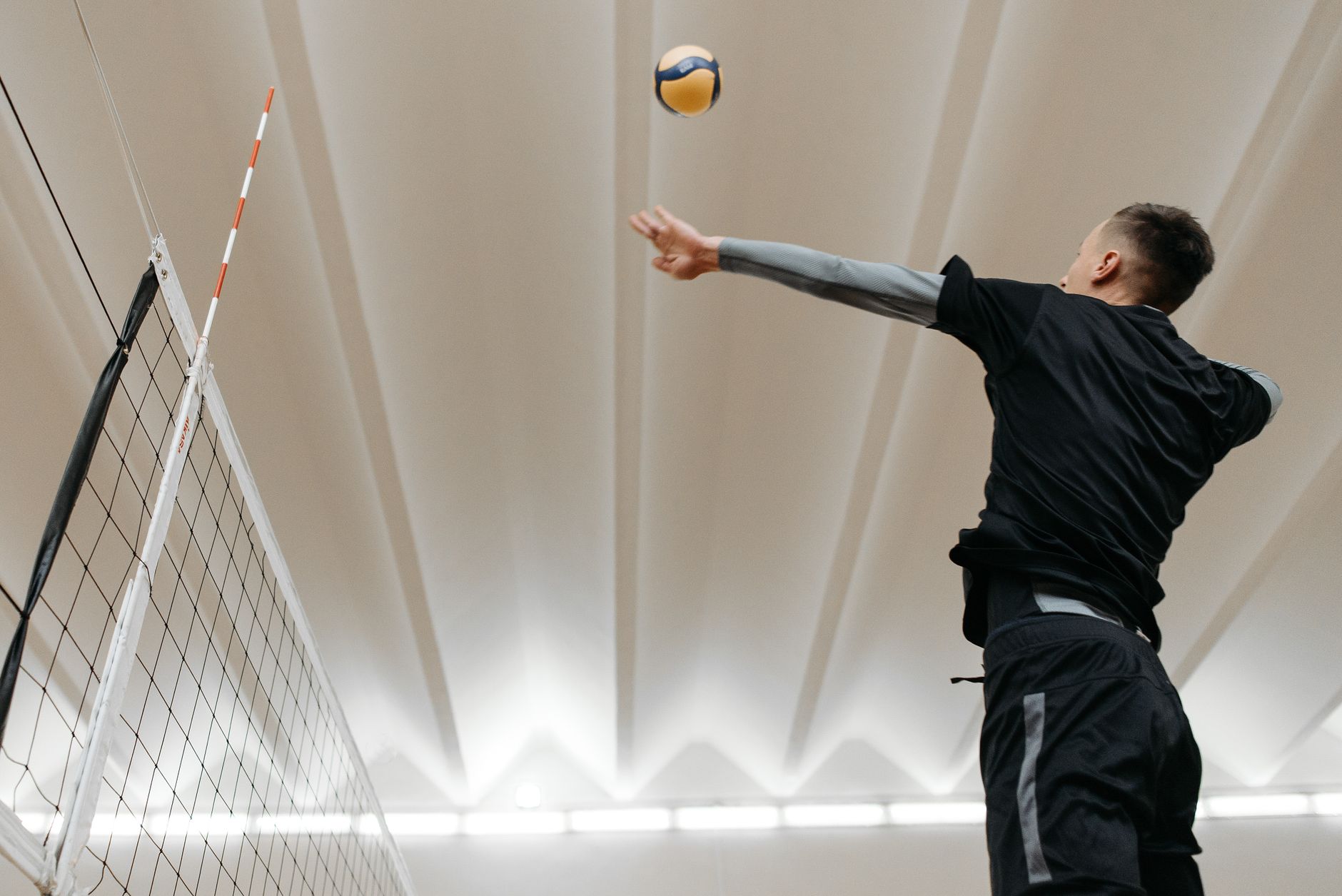 Engage your core muscles throughout the jump to maintain stability and control. Reach high with your hitting arm, extending your body fully (for spiking). Land softly on the balls of your feet, bending your knees to absorb the impact. Think of landing like a gymnast – controlled and balanced.
Practice the complete jump and landing sequence repeatedly, focusing on maintaining proper form and control.
Training Drills to Improve Vertical Jump: Building Explosive Power
Consistent training is key to improving your vertical jump. Incorporate these drills into your routine:
Plyometric Exercises: Building Explosive Power
Box Jumps: Start with 3 sets of 5-8 repetitions, focusing on landing softly. Begin with a low box (12-18 inches) and gradually increase the height as you improve.
Depth Jumps: Perform 2-3 sets of 3-5 repetitions. This is an advanced exercise, so start with a low box (6-12 inches) and progress gradually.
Jump Rope: Aim for 3 sets of 1-2 minutes, with 30-60 seconds rest between sets.
Lateral Jumps: Perform 3 sets of 10-15 repetitions per leg.
Always warm up properly before plyometric exercises. Focus on proper form and land softly to prevent injuries.
Strength Training: Building a Strong Foundation
Squats (Back, Front, Goblet): Aim for 3-4 sets of 8-12 repetitions for each exercise.
Lunges (Forward, Reverse, Lateral): Aim for 3-4 sets of 10-15 repetitions per leg for each exercise.
Deadlifts (Conventional, Romanian): Aim for 3 sets of 6-8 repetitions.
Calf Raises (Standing, Seated): Aim for 3-4 sets of 15-20 repetitions.
Aim for 3-4 sets of 8-12 repetitions for each exercise.
Agility Drills: Improving Footwork and Coordination
Cone Drills: Perform various cone patterns for 2-3 sets of 30-60 seconds each, with 30-60 seconds rest between sets.
Ladder Drills: Perform various ladder drills for 2-3 sets of 30-60 seconds each, with 30-60 seconds rest between sets.
Shuttle Runs: Perform 3-4 sets of shuttle runs, with 1-2 minutes rest between sets.
Incorporate agility drills into your volleyball practice to improve your overall game.
Jump-Specific Drills: Focusing on Volleyball Movements
Approach Jumps with a Ball: Perform 3-4 sets of 5-8 repetitions, focusing on timing, coordination, and power.
Block Jumps: Perform 3-4 sets of 5-8 repetitions, focusing on quick reaction time and vertical reach.
Jump Serves: Practice jump serve technique and power, focusing on accuracy and consistency. Aim for 10-15 repetitions.
These drills should improve jump height and consistency in volleyball-specific movements.
Common Mistakes and How to Correct Them
Incorrect Approach: Too slow, too fast, or inconsistent steps. Solution: Focus on developing a smooth, accelerating rhythm. Use a metronome to maintain consistent timing.
Weak Arm Swing: Not using full range of motion or improper timing. Solution: Practice arm swing drills in front of a mirror, focusing on synchronizing the arm swing with the leg drive.
Insufficient Leg Drive: Not bending knees deep enough or not engaging glutes. Solution: Focus on proper squatting technique and consciously engage your glutes throughout the leg drive. Imagine squeezing a ball between your glutes as you jump.
Poor Landing Technique: Landing stiffly, risking injury. Solution: Focus on landing softly on the balls of your feet, bending your knees to absorb the impact. Practice landing drills on a soft surface.
Premature Jumping: Jumping before the set arrives. Solution: Focus on timing your jump with the setter. Watch the ball closely and adjust your approach accordingly.
Lack of Core Engagement: Not engaging core muscles during the jump. Solution: Consciously engage your core muscles throughout the jump to maintain stability and power transfer.
Remember the importance of rest and recovery. Allow your body adequate rest to recover and rebuild muscle tissue.
Injury Prevention: Protecting Your Body
Prepare your body for activity with a dynamic warm-up and cool down with static stretching. Improve flexibility and range of motion with regular stretching. Fuel your body for performance with a balanced diet. Recognize signs of fatigue and injury and take appropriate action. Wear supportive shoes and use appropriate equipment to prevent injuries.
Advanced Techniques and Tips
Mental preparation for jumping can improve performance through visualizing success. Adapt your jump based on the situation, such as blocking a quick set or spiking from the back row by adjusting your jump. Use video analysis to identify areas for improvement by analyzing your jump. Get personalized feedback and guidance from a qualified coach by working with a coach.
Conclusion: Unleash Your Vertical Potential
Engage your core muscles throughout the jump to maintain stability and control. Reach high with your hitting arm, extending your body fully (for spiking). Land softly on the balls of your feet, bending your knees to absorb the impact. Think of landing like a gymnast – controlled and balanced.
Practice the complete jump and landing sequence repeatedly, focusing on maintaining proper form and control.
Training Drills to Improve Vertical Jump: Building Explosive Power
Consistent training is key to improving your vertical jump. Incorporate these drills into your routine:
Plyometric Exercises: Building Explosive Power
Box Jumps: Start with 3 sets of 5-8 repetitions, focusing on landing softly. Begin with a low box (12-18 inches) and gradually increase the height as you improve.
Depth Jumps: Perform 2-3 sets of 3-5 repetitions. This is an advanced exercise, so start with a low box (6-12 inches) and progress gradually.
Jump Rope: Aim for 3 sets of 1-2 minutes, with 30-60 seconds rest between sets.
Lateral Jumps: Perform 3 sets of 10-15 repetitions per leg.
Always warm up properly before plyometric exercises. Focus on proper form and land softly to prevent injuries.
Strength Training: Building a Strong Foundation
Squats (Back, Front, Goblet): Aim for 3-4 sets of 8-12 repetitions for each exercise.
Lunges (Forward, Reverse, Lateral): Aim for 3-4 sets of 10-15 repetitions per leg for each exercise.
Deadlifts (Conventional, Romanian): Aim for 3 sets of 6-8 repetitions.
Calf Raises (Standing, Seated): Aim for 3-4 sets of 15-20 repetitions.
Aim for 3-4 sets of 8-12 repetitions for each exercise.
Agility Drills: Improving Footwork and Coordination
Cone Drills: Perform various cone patterns for 2-3 sets of 30-60 seconds each, with 30-60 seconds rest between sets.
Ladder Drills: Perform various ladder drills for 2-3 sets of 30-60 seconds each, with 30-60 seconds rest between sets.
Shuttle Runs: Perform 3-4 sets of shuttle runs, with 1-2 minutes rest between sets.
Incorporate agility drills into your volleyball practice to improve your overall game.
Jump-Specific Drills: Focusing on Volleyball Movements
Approach Jumps with a Ball: Perform 3-4 sets of 5-8 repetitions, focusing on timing, coordination, and power.
Block Jumps: Perform 3-4 sets of 5-8 repetitions, focusing on quick reaction time and vertical reach.
Jump Serves: Practice jump serve technique and power, focusing on accuracy and consistency. Aim for 10-15 repetitions.
These drills should improve jump height and consistency in volleyball-specific movements.
Common Mistakes and How to Correct Them
Incorrect Approach: Too slow, too fast, or inconsistent steps. Solution: Focus on developing a smooth, accelerating rhythm. Use a metronome to maintain consistent timing.
Weak Arm Swing: Not using full range of motion or improper timing. Solution: Practice arm swing drills in front of a mirror, focusing on synchronizing the arm swing with the leg drive.
Insufficient Leg Drive: Not bending knees deep enough or not engaging glutes. Solution: Focus on proper squatting technique and consciously engage your glutes throughout the leg drive. Imagine squeezing a ball between your glutes as you jump.
Poor Landing Technique: Landing stiffly, risking injury. Solution: Focus on landing softly on the balls of your feet, bending your knees to absorb the impact. Practice landing drills on a soft surface.
Premature Jumping: Jumping before the set arrives. Solution: Focus on timing your jump with the setter. Watch the ball closely and adjust your approach accordingly.
Lack of Core Engagement: Not engaging core muscles during the jump. Solution: Consciously engage your core muscles throughout the jump to maintain stability and power transfer.
Remember the importance of rest and recovery. Allow your body adequate rest to recover and rebuild muscle tissue.
Injury Prevention: Protecting Your Body
Prepare your body for activity with a dynamic warm-up and cool down with static stretching. Improve flexibility and range of motion with regular stretching. Fuel your body for performance with a balanced diet. Recognize signs of fatigue and injury and take appropriate action. Wear supportive shoes and use appropriate equipment to prevent injuries.
Advanced Techniques and Tips
Mental preparation for jumping can improve performance through visualizing success. Adapt your jump based on the situation, such as blocking a quick set or spiking from the back row by adjusting your jump. Use video analysis to identify areas for improvement by analyzing your jump. Get personalized feedback and guidance from a qualified coach by working with a coach.
Conclusion: Unleash Your Vertical Potential
 Mastering the volleyball jump is a journey that requires dedication, practice, and a solid understanding of the underlying biomechanics. By focusing on proper technique, incorporating effective training drills, and prioritizing injury prevention, you can unlock your vertical potential and elevate your game to new heights. Remember, as one gym goer wisely stated, "just because you think someone is being lazy or is wasting their time, doesn’t mean you know jack shit about them to begin with." This applies to your own training too – trust the process and focus on your individual journey.
Don't just read about it – put these techniques into action! Start with the fundamentals, gradually increase the intensity of your training, and track your progress. What are you waiting for? The net awaits!
Mastering the volleyball jump is a journey that requires dedication, practice, and a solid understanding of the underlying biomechanics. By focusing on proper technique, incorporating effective training drills, and prioritizing injury prevention, you can unlock your vertical potential and elevate your game to new heights. Remember, as one gym goer wisely stated, "just because you think someone is being lazy or is wasting their time, doesn’t mean you know jack shit about them to begin with." This applies to your own training too – trust the process and focus on your individual journey.
Don't just read about it – put these techniques into action! Start with the fundamentals, gradually increase the intensity of your training, and track your progress. What are you waiting for? The net awaits!
A perfectly timed jump is a cornerstone of spiking, blocking, and serving excellence in volleyball.
Build a strong foundation and explosive power by incorporating weightlifting exercises into your training routine to help your leg drive.
A volleyball player jumps high in the air to hit the ball during a game.
Visualize yourself soaring high above the net, ready to unleash a powerful spike. Mastering the volleyball jump unlocks explosive potential and elevates your game to new heights.